Forget Roses: A Practical Guide to Romance for People Who Don't Fit the Valentine's Day Mold
Every February, a particular kind of dread settles over a particular kind of person. Not the commitment-phobic. Not the romantically disengaged. No — this dread belongs specifically to the weird, the earnest, the deeply feeling people who want to express devotion but find that every available script for doing so feels like wearing someone else's clothes.
The roses feel hollow. The reservation at the upscale Italian place feels like a performance. The heart-shaped box of chocolates is fine, technically, but it communicates nothing specific about the actual human you love — nothing about the fact that they make a sound like a surprised seal when something delights them, or that they have opinions about obscure 1970s science fiction that they will share at any available opportunity, or that they once spent four hours helping you research the history of a regional hot sauce because you mentioned you were curious.
Mainstream romance is built for a median person. And if you're reading this website — a place that named itself after a metaphor and put "sip strange" in its tagline — you are probably not the median person.
The Problem With the Playbook
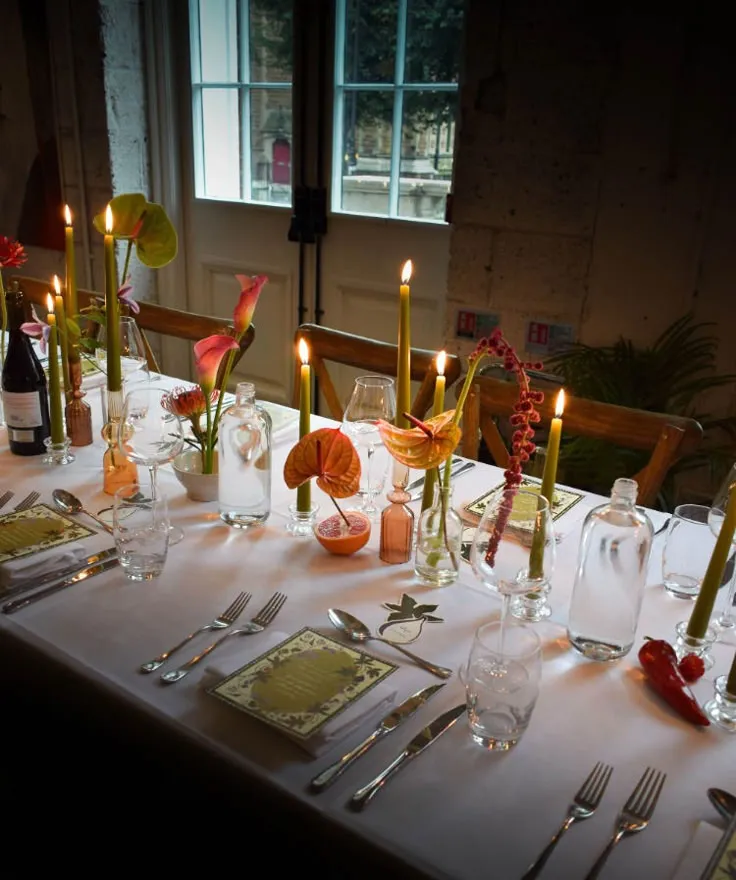
Let's be honest about what conventional romantic advice is actually selling. It's selling legibility. Grand gestures work because they're universally understood — flowers mean love, diamonds mean commitment, a candlelit dinner means you're trying. The symbols do the emotional heavy lifting so you don't have to find your own language.
For most people, that's convenient. For unconventional people, it's a trap. Because when you deploy a symbol that doesn't mean anything to you personally, your partner — if they know you at all — can feel the gap between the gesture and the gesture-maker. It lands slightly off. Like a translation that got most of the words right but missed the tone entirely.
The alternative isn't doing less. It's doing something stranger, more specific, and infinitely more yours.
The Inside Joke as Love Language
Here's an unpopular opinion: a truly excellent inside joke is more romantic than a dozen roses.
I don't mean a joke you both find funny. I mean the specific, evolving, self-referential mythology that develops between two people who have been paying close attention to each other. The callback that requires three minutes of context to explain to anyone else. The word that means a specific feeling that doesn't have a real name. The reference to the night the car broke down outside of Amarillo and somehow that became the funniest story either of you owns.
Inside jokes are intimacy made audible. They prove that you have been watching — that you noticed the small, unremarkable moments and decided they were worth keeping. That's not nothing. That's everything.
So if your love language is humor and observation, lean into it completely. Build the mythology. Add to it deliberately. On your anniversary, don't write a card about how much they mean to you in general terms — write a card that references the seven specific absurd things that happened between you this year and couldn't have happened with anyone else.
Strange Traditions Are the Backbone of Real Relationships
Conventional couples have Valentine's Day and anniversaries and birthday dinners. Unconventional couples have those too, but they also have things that have no name and no Hallmark card.
The Sunday morning where you both watch a documentary about something deeply niche and argue about it for three hours. The specific drink you make together when one of you has had a genuinely terrible week — not just wine, but the specific weird concoction you invented once by accident that somehow became the official beverage of emotional recovery. The annual revisiting of a movie you both hate but have now watched together six times out of a combination of spite and affection.
These traditions work because they were never prescribed. Nobody told you to do them. They emerged from the specific chemistry of your specific pairing, which means they belong entirely to you. And belonging entirely to you is the most romantic thing a tradition can do.
If you don't have these yet, start building them. Deliberately, unashamedly. Invent a holiday. Create a ritual around a beverage that would confuse a sommelier. Establish a yearly event that you'd struggle to explain to your parents. The weirder and more specific, the better.
Collecting Weird Memories on Purpose
Here's a romantic strategy that costs almost nothing and pays out for years: say yes to more strange experiences together, specifically because they'll be hard to explain later.
The roadside attraction you stopped at for no reason. The restaurant that looked alarming but turned out to serve the best thing you've ever eaten. The evening where the plan fell apart entirely and you ended up sitting on a curb outside a gas station in Kansas City, sharing a convenience store pastry and laughing until your face hurt.
These are the memories that actually constitute a relationship. Not the polished ones — the chaotic, specific, unrepeatable ones. Seek them out. When you're planning something together, occasionally choose the option that seems slightly more likely to become a story over the option that seems most likely to go smoothly.
Smooth is forgettable. Strange is permanent.
A Word on Expressing Devotion Without a Template
If you've made it this far and you're wondering what the actual gesture looks like — the thing you do instead of flowers — here's the honest answer: it depends entirely on what your specific person finds meaningful, and only you know that.
But some starting points for the unconventionally devoted:
-
Make them something specific to them, not something generically romantic. A playlist that maps the exact arc of your relationship in songs only you would understand. A homemade version of a drink they mentioned once and then forgot about. A book of printed photos from all the times the plan went sideways.
-
Acknowledge the specific things about them that the world might call weird. Tell them, directly, that the thing they're a little self-conscious about is actually one of your favorite things. Say it out loud. It lands differently than "I love you" in the abstract.
-
Show up for their obsessions even when you don't share them. Ask a question about the thing they've been researching. Watch the documentary. Taste the weird fermented beverage they've been making in the pantry. Attention is love, full stop.
The couples who last — the ones who still have things to say to each other after a decade — are rarely the ones who performed romance correctly. They're the ones who built something so specific and so strange that it could only exist between those two exact people.
Your love doesn't have to look like anyone else's love. It just has to taste like yours.
Fill the jug with something weird. Drink it together. That's the whole thing.